Why Connected Data Is the Foundation of High Performing Property Teams
We explore why connected data is becoming essential for high performing property teams, and how unified operational visibility is helping organisations improve efficiency, collaboration and decision making across their portfolios.
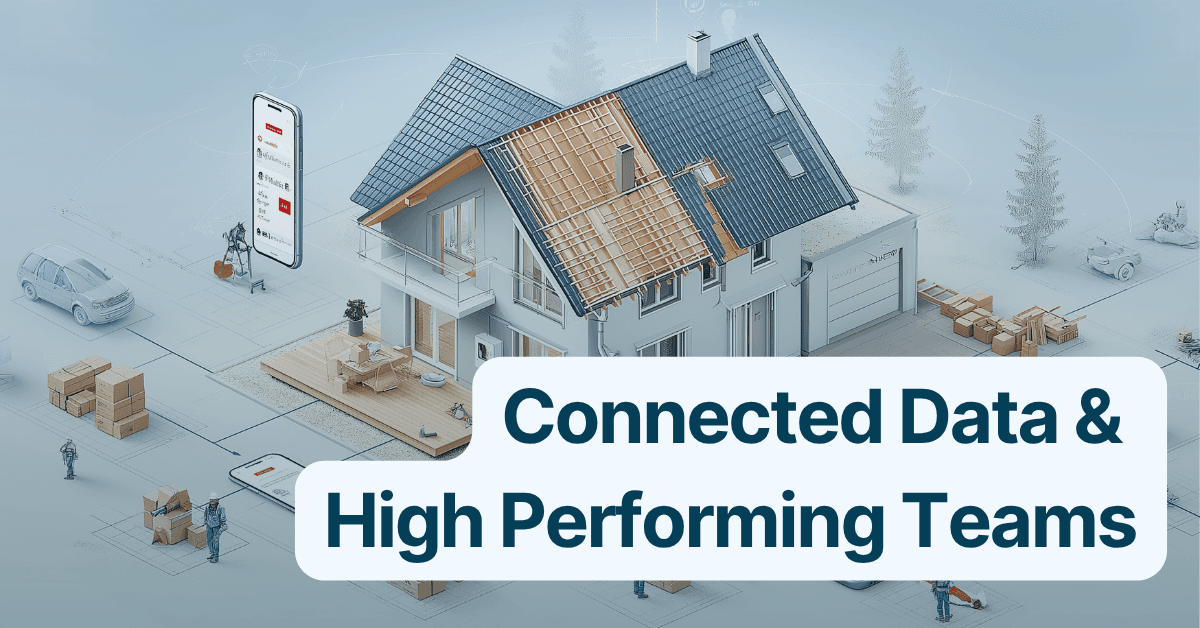
Across property, real estate, and construction, expectations are rising. Projects are becoming more complex, portfolios are expanding, and stakeholders expect faster delivery alongside greater transparency. Despite this, many organisations continue to rely on disconnected systems, fragmented data, and manual processes. This doesn’t just slow teams down, it actively limits their ability to grow and perform at scale. The organisations that are leading today are not simply well managed; they are well connected.
Moving Beyond Project Level Success
For a long time, success in property and construction was measured at the project level, with timelines and budgets acting as the primary benchmarks. However, the focus is now shifting beyond individual projects toward overall organisational performance. What matters more is how effectively teams operate across an entire portfolio, how easily information flows, how consistent processes are, how quickly decisions can be made, and how clearly performance can be tracked. Without connected systems, these capabilities are difficult to achieve in a meaningful way.
One of the biggest barriers to progress is fragmented information. In many organisations, data is spread across multiple tools, emails, and spreadsheets, making it difficult to access and trust. This often leads to teams working from outdated information, wasting time verifying documents, and experiencing delays due to unclear approvals. Research from Enterprise Ireland highlights the need for greater digitalisation and improved collaboration across the Irish construction sector while insights from RICS continue to point to productivity challenges linked to inconsistent processes and poor data management. The issue is rarely a lack of data, it is the lack of connection between it.
Turning Data Into a Strategic Advantage
When data is connected, the impact is immediate and far-reaching. Teams spend less time managing information and more time using it. Instead of chasing documents or confirming versions, they can access accurate data instantly and collaborate without duplication. This shift not only improves efficiency but also allows teams to focus on higher value work that drives projects forward.
At the same time, processes become more consistent. In disconnected environments, each project often develops its own way of working, which creates inefficiencies and increases risk. Connected systems enable organisations to standardise workflows, automate approvals, and maintain clear records across every project. Guidance from the UK BIM Framework reinforces the importance of structured information management and Common Data Environments in creating consistency and reducing risk across projects.
Unlocking Portfolio Wide Visibility
Another major advantage is visibility. Without connected systems, gaining a clear view across multiple projects is challenging, often relying on delayed or incomplete reporting. A connected data environment provides real time insight into performance, risks, and progress across the entire portfolio. Initiatives such as the Centre for Digital Built Britain highlight how better use of data across the asset lifecycle can significantly improve transparency and long term performance.
Better data also leads to better decisions. When information is structured, accessible, and up to date, decision-making becomes faster and more reliable. Teams can act with confidence, supported by real-time reporting and clear visibility of both current and historical data. The UK Government’s Transforming Infrastructure Performance roadmap emphasises that improving how data is shared and used is critical to delivering better outcomes across infrastructure and property projects.
Scaling Without Increasing Complexity
Ultimately, growth should not introduce complexity. Yet for many organisations, expanding their portfolio makes operations harder to manage. Connected systems change this by creating a scalable foundation where processes remain consistent, data remains accessible, and visibility remains clear, regardless of how large the organisation becomes. Real world challenges around managing upgrades and coordinating stakeholders can be seen in projects highlighted by the Irish Green Building Council where better information sharing plays a key role in delivery.
At +AddJust, this is the principle behind our Connected Data Environment. By bringing together properties, projects, and people into a single, structured platform, we help organisations move beyond fragmented ways of working. The result is stronger collaboration, clearer insight, and a more capable organisation overall.
Technology alone is not the solution. But when it is used to connect data, people, and processes, it becomes a powerful enabler of performance. The organisations that recognise this are not just improving how they deliver projects, they are redefining how they operate entirely.
