The Quiet Shift Reshaping Commercial Property: Operations Are Becoming Strategic
As commercial property continues to evolve, operational performance is becoming just as important as financial performance. We explore the growing shift toward smarter, more connected property operations and why adaptability is becoming a competitive advantage.
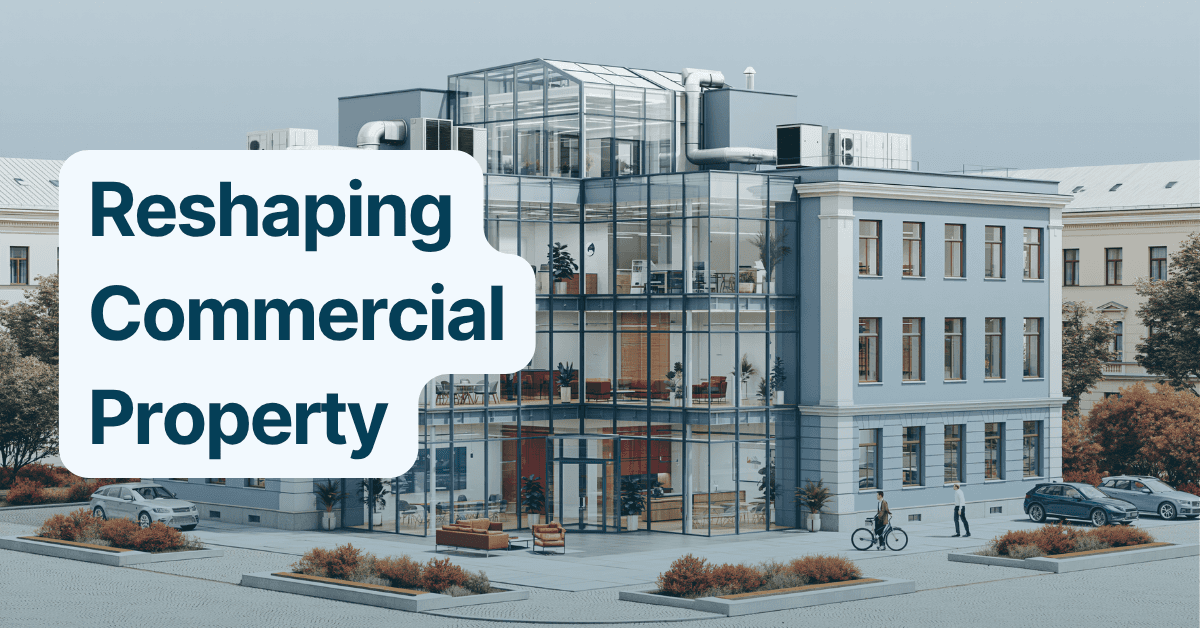
For years, conversations around commercial property largely focused on development, leasing, investment performance and asset value. Operations often sat in the background - essential, but rarely viewed as a strategic differentiator.
That is beginning to change.
Across Ireland and the wider European market, operational performance is becoming increasingly tied to financial performance, occupier experience, sustainability targets and long-term asset resilience. Buildings are no longer viewed simply as physical assets. They are becoming operational ecosystems that require continuous optimisation, visibility and coordination.
As David Martin, EY Ireland capital and debt advisory partner, recently told The Irish Times, “Ensuring that new buildings are sustainable and energy efficient is key to global efforts to tackle climate change.”
Buildings Are Being Judged Differently
The expectations placed on commercial buildings today are significantly different than they were even five years ago.
Occupiers expect seamless experiences. Investors want clearer operational visibility. Regulators are introducing stricter sustainability and compliance requirements. At the same time, operational costs continue to rise across energy, maintenance and service delivery.
This creates a new reality for property owners and operators: building performance is no longer measured solely by occupancy or rental income.
Energy efficiency, operational responsiveness, tenant satisfaction, compliance readiness and long term adaptability are all becoming increasingly important indicators of value. In many ways, operational quality is becoming part of the asset itself.
This shift is becoming particularly visible in Ireland’s office market. According to Savills research, buildings with stronger sustainability credentials are already commanding significant rental premiums internationally, reflecting growing occupier demand for high performing space.
Property commentator Paul McNeive recently wrote in the Irish Independent that “a property’s ESG rating is a crucial part of its value.”
The Industry Is Moving From Reactive to Predictive
Historically, property operations were often reactive by nature. Issues were identified after they occurred, maintenance was scheduled based on fixed timelines and reporting was periodic rather than continuous.
Today, that model is being challenged. The combination of real time building data, connected technologies and smarter operational platforms is enabling a more predictive approach to managing assets. Instead of reacting to problems, teams are increasingly trying to anticipate them before they escalate.
This shift is influencing everything from maintenance planning and energy optimisation to compliance monitoring and occupier engagement. The focus is no longer solely on efficiency. It is on operational foresight.
In Ireland, this transition is being accelerated by growing regulatory pressure around ESG and energy performance. A recent industry report from the Irish Green Building Council noted that the sector is now moving toward “greater transparency in operational building energy use performance.”
Sustainability Is Becoming an Operational Issue
Sustainability is often discussed as a reporting or compliance challenge, but increasingly it is becoming an operational one. Meeting ESG targets depends heavily on how buildings are actually managed day to day, from energy usage and maintenance strategies to supplier management and occupier behaviour.
That is changing the role of operational teams within property organisations.
What was once viewed primarily as facilities management is increasingly tied to investment performance, regulatory readiness and long term asset competitiveness.
James Mulhall of Murphy Mulhall recently described ESG compliance as a growing “market gatekeeper” for commercial assets, warning that owners who fail to modernise buildings risk “reduced liquidity, lower rents, and higher vacancy rates.” He also noted that the rental premium for best in class sustainable office space in Dublin may be significantly higher than many in the market currently estimate.
The Most Valuable Buildings May Be the Most Adaptable
One of the more interesting shifts happening across commercial property is the growing importance of adaptability.
Markets are changing faster, occupier expectations are evolving more rapidly and sustainability standards continue to develop. Operational requirements are becoming less predictable and more interconnected.
As a result, highly adaptable buildings and operational models may become more valuable over time than those designed around static assumptions.
That adaptability depends heavily on visibility and connected operations. Buildings that can provide clearer insight into performance, usage patterns and operational trends will likely be better positioned to respond to future demands, whether related to sustainability, occupier needs or cost pressures.
The industry itself increasingly recognises this shift. As one Irish property executive recently stated in relation to ESG pressures and market expectations: “The cost of inaction may be greater than the cost of upgrading.”
A Different Kind of Competitive Advantage
The next phase of innovation in commercial real estate may not come from headline grabbing technology alone.
It may come from something less visible: operational clarity. The organisations that can align people, processes and information effectively across their portfolios will likely have a stronger ability to make decisions, improve performance and respond to change.
In that sense, operations are no longer just a support function within real estate. They are increasingly becoming a strategic capability!
